

AI Governance in Marketing: Why Exercising “AI Discipline” Is a Competitive Advantage

AI did not enter marketing quietly. It arrived abruptly and at scale. One quarter the conversation was about resizing banners. The next quarter teams were questioning whether half of their production pipeline still needed to exist.
This shift created a new operating environment. Every brand now works inside an AI system, whether intentionally or not. And every brand must manage the tension between rapid execution and controlled, responsible use.
Luxury brands feel this tension most acutely. The category relies on trust, provenance, clarity, and restraint. AI can strengthen these qualities when used well. When used carelessly, it can erode them quickly.
This is why the competitive advantage in the coming years will not go to the teams using the most AI. It will go to the teams applying AI with discipline. These are the teams built for the long race.
AI Is Moving Faster Than the Systems Built to Manage It
AI adoption in marketing has accelerated across the industry. McKinsey notes that more than half of marketing teams now use generative AI weekly. Adobe’s 2024 benchmark found that content teams using AI are producing assets at nearly five times their previous pace. Google and Meta have already shifted much of their advertising ecosystem to AI-driven optimization.
Speed is no longer scarce. Speed is everywhere.
The constraint is governance. Legal teams, brand teams, compliance, and leadership frameworks cannot keep pace with the tools unless they are intentionally redesigned. Many organizations were unprepared. Sensitive data went into public models. AI-generated visuals appeared without clarity on licensing or provenance. Real talent was unintentionally altered. Some brands published imagery that did not reflect the physical reality of their products or destinations.
These are not seen as technical glitches by consumers. They are seen as brand integrity failures.
Luxury Brands Face the Highest Stakes
Luxury buyers place a premium on clarity, authenticity, and truth. Bain and Altagamma’s most recent analyses reinforce that affluent consumers are more sensitive to perceived authenticity gaps than the general market. Perception is part of the product.
AI introduces specific risks for luxury:
- Authenticity: AI can generate visuals that look refined but lack substance.
- IP Integrity: Questions around training data and licensing will increase, not decline.
- Cultural Nuance: AI tends to flatten nuance. Luxury requires refinement, specificity, and cultural literacy.
- Talent Representation: Minor, unintended changes to real faces can create legal and ethical issues.
- Accuracy: Misrepresenting a product or experience is not a creative flourish. It is a breach of trust.
For luxury brands, the burden of proof is rising. Audiences want to know that what they are seeing is accurate, intentional, and aligned with reality.
Teams That Practice AI Discipline Will Outperform
Here is the shift worth watching closely.
Teams that treat AI governance as a barrier will lose momentum.
Teams that treat AI governance as infrastructure will gain it.
Procurement, legal, and marketing leadership are already asking more direct questions: Can you provide your AI policy? How do you isolate client data? What controls are in place for reviewing AI generated content? How do you verify provenance? What is your escalation process for incorrect outputs?
Teams that answer clearly gain trust.
Teams that hesitate lose it.
The market is rewarding organizations that pair AI acceleration with operational discipline. These are the teams capable of saying: We move quickly without compromising truth. We scale content without diluting brand identity. We use AI as a tool. AI does not determine our decisions.
AI Discipline has become its own form of brand equity.
Success Will Belong to the Teams Built for the Entire Race
The teams that win will not be those generating the most AI assets. They will be the ones able to use AI at scale without losing themselves.
AI offers power. Discipline provides control. Luxury marketing demands both.
Teams that practice AI Discipline will outperform because they can operate quickly while protecting trust. AI-Disciplined agencies will outperform because they give CMOs and procurement leaders processes they can defend. AI-Disciplined internal teams will outperform because they understand that long-term advantage comes from systems, not shortcuts.
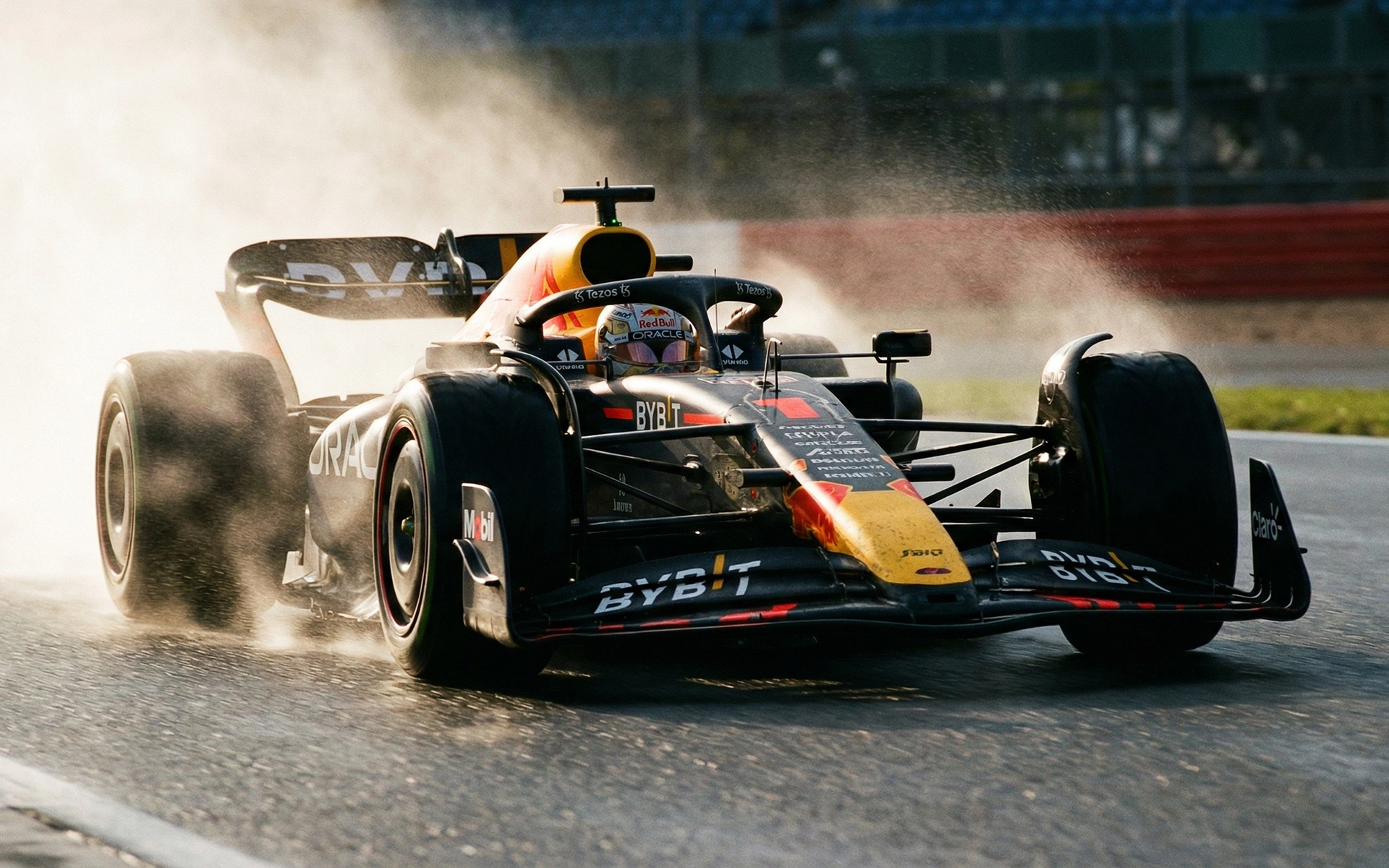
Reckless teams (in house or at agencies) may appear fast today, seeming to pull ahead on the track as they drive faster and faster. But when compliance intervenes, when leadership halts production, or when brand integrity is at risk, they will be forced off the track and sit idle in the pits while disciplined teams continue moving. All of that "leaving our competition" in the dust won't mean much when you have to watch that same competition lap you repeatedly.
Endurance, not speed, determines the winner.
The race belongs to the organizations that use AI with clarity, restraint, and control.