
Looking Back on Late Checkout: A Ritz-Carlton Story


Last week, "Late Checkout: A Ritz-Carlton Story" took home Platinum and Best of Show (Owned Media) at the 69th Annual HSMAI Adrian Awards, the latest in a string of marketing award victories.
Over the past year, the campaign also earned:
- A Gold Lion in the Luxury category at Cannes Lions 2025 (selected from 181 entries in the category)
- Two wins at the 17th Annual Shorty Awards (Hospitality and Instagram), plus additional honors
- A Clio Awards 2025 Shortlist in Branded Entertainment & Content / Film-Scripted
- A Webby win for Best Shopping or Social Commerce Campaign (Advertising, Media & PR) in 2025
Though the Adrians are the end of the award season for this campaign, the moment feels a bit more like a starting block than a finish line.
But before we turn our eyes forward to all the amazing work on deck for our clients in 2026, it seems fitting to take some time to reflect on this campaign, why it worked, and what other luxury brands can learn from it.
What Was Late Checkout: A Ritz-Carlton Story?
At its core, Late Checkout had four parts:
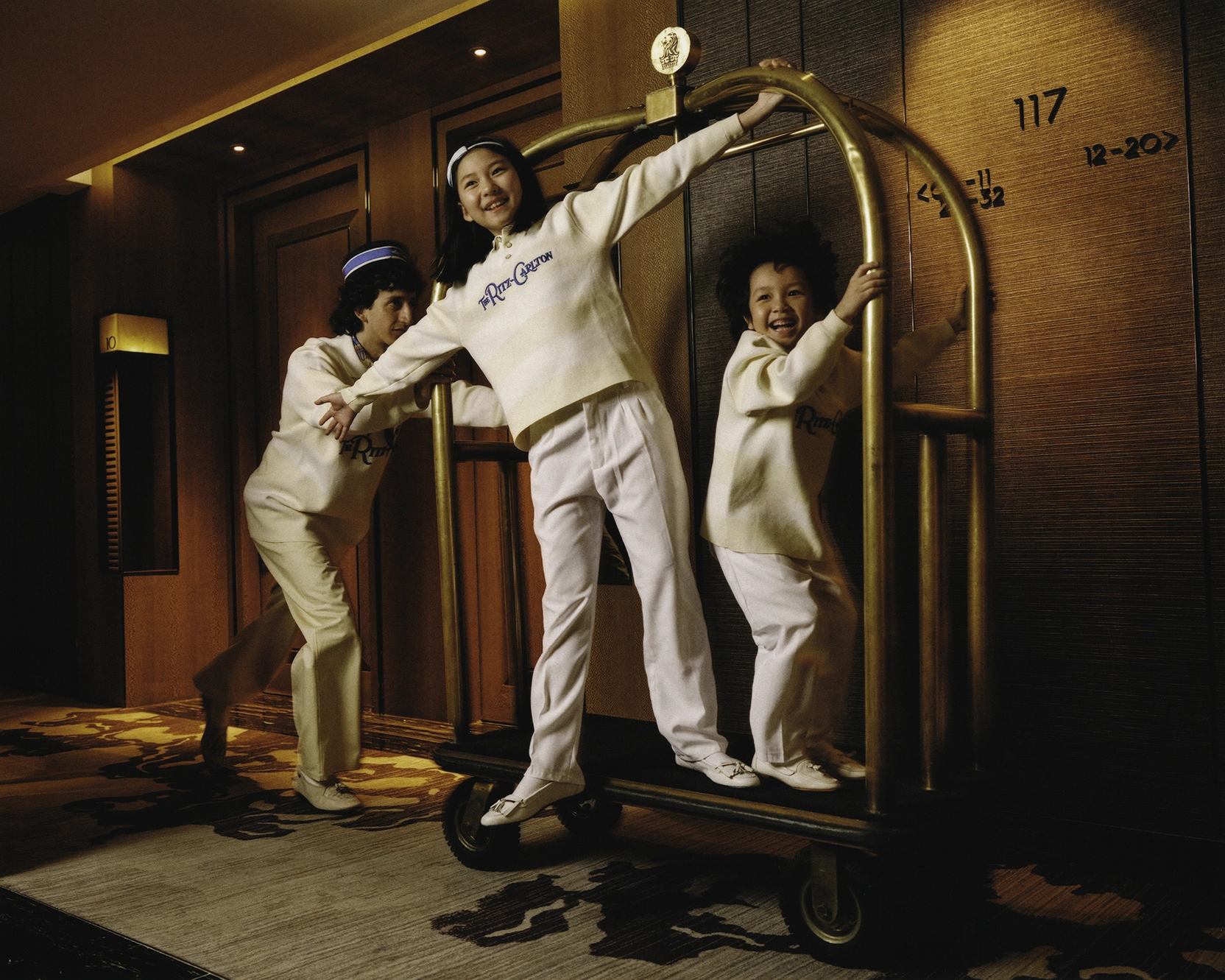
- A limited capsule collection created by Late Checkout for The Ritz-Carlton
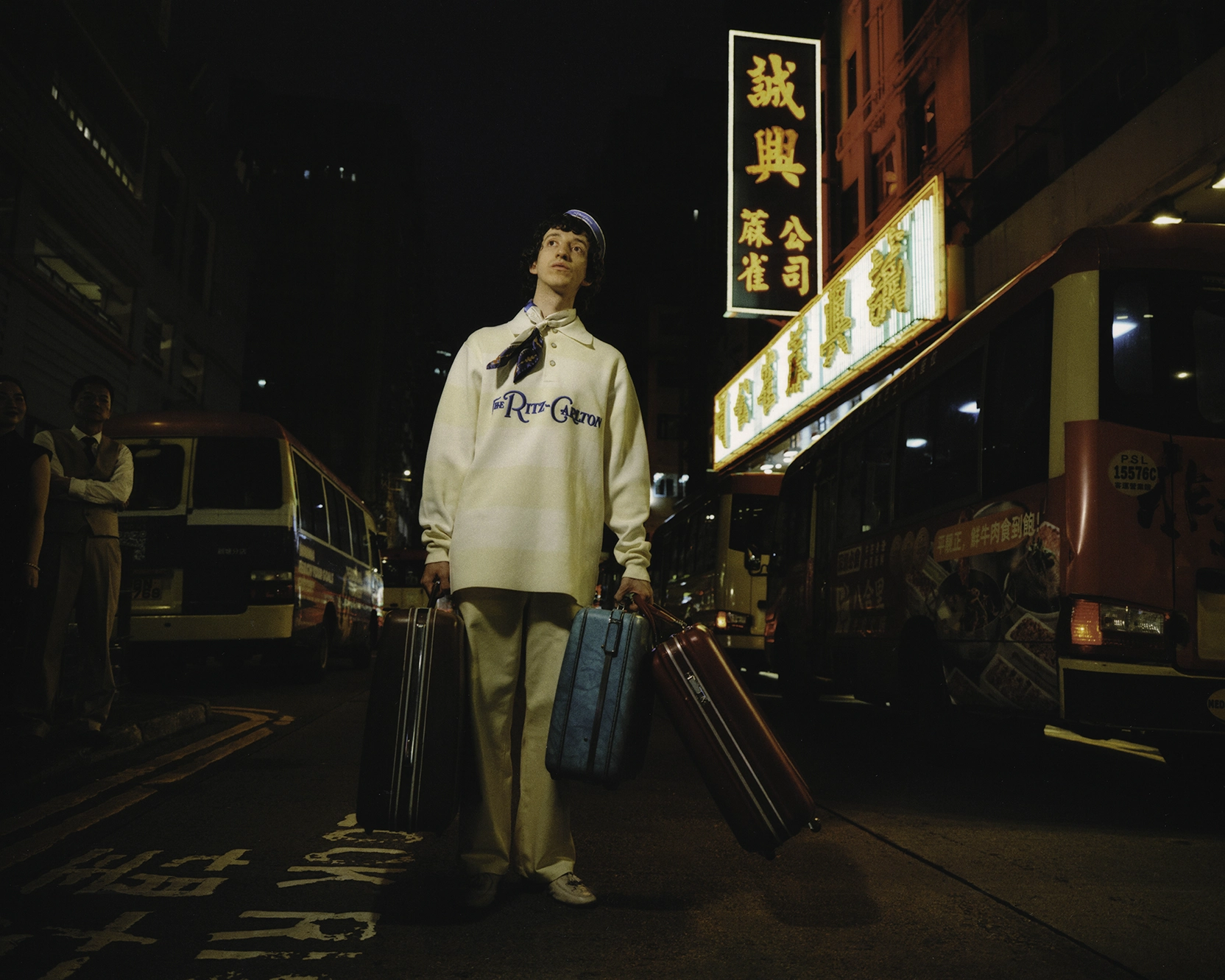
- A narrative short film set at The Ritz-Carlton, Hong Kong, produced with Little Spain and starring Josh Hutcherson
- A social-first distribution system designed for bite-sized storytelling across platforms
- The resulting PR and buzz from 1-3, which created a flywheel effect
As the global social media agency of record for The Ritz-Carlton, 71 West played a central role in this campaign from its earliest days by helping our brand partners define the overall strategy, guiding story and script development, providing production oversight, and leading the campaign's launch, media, and social strategies.
The result was a campaign that did what most “luxury campaigns” talk about doing, but rarely pull off: it modernized the brand without cheapening it. It reached younger luxury audiences without trying to cosplay youth. And it told a story that felt culturally current while still unmistakably Ritz-Carlton.
But the luxury brand landscape is filled with failed brand partnerships and there is no shortage of beautiful hero assets languishing unseen on youtube, social media, and microsites. So what made this campaign succeed where others have failed?
Why It Worked
1) Distribution was designed, not assumed
Too many brands still behave like it’s 1998: make a beautiful thing, post it, and hope the internet rewards your taste (the Field of Dreams strategy).
That’s not how modern campaigns work. Late Checkout was always built as a system: a hero film that anchored the story, paired with cutdowns engineered for in-feed consumption, and a clear plan for where each piece lived across channels (and what jobs each piece had to do). All of it supported, and was supported by, an e-commerce microsite, real people showcasing the capsule collection, and coordinated PR. Combined, it was a rollout that was described by Jamie Kerr, Global Brand & Marketing Leader of The Ritz-Carlton as "both thoughtful and culturally resonant.”
The results speak for themselves: 15M+ impressions, 40K+ link clicks, and a launch video with 15K+ shares and 12K+ saves. That's the kind of share behavior luxury brands rarely earn at that scale.
The bigger point: the content didn’t “rise.” It was launched.
2) The partnership was structurally relevant, not decorative.
The luxury brand landscape is filled with collaborations that look good in a press release and feel hollow everywhere else.
This one was different. Late Checkout isn’t just “a fashion brand.” Its entire point of view is hospitality-coded—carefree stays, playful service cues, and the romance of being a guest. That made it a credible creative pairing for The Ritz-Carlton, not a random mashup.
Whether consumers can articulate this or not, they instinctively recoil from things that feel forced. In today’s world of increasing AI slop, “authenticity” is top of mind, but the desire for it is nothing new.
As Travel + Leisure put it: “Madrid-based brand Late Checkout’s collaboration with The Ritz-Carlton brings a playful twist to luxury.” And that’s the key: a twist on luxury, not an attack on it. A collaboration that can feel at home with both brands’ audiences.
3) It modernized the brand without breaking it
Modernizing a heritage luxury brand is a tightrope walk. Plenty of brands manage to be “modern.” Far fewer manage to be modern and still feel unquestionably themselves.
That tension was baked into the campaign from the start. The goal wasn’t to make Ritz-Carlton “cool.” It was to shift perception—less stuffy, more culturally current—without compromising service credibility.
The creative solution was to use entertainment as the vehicle: treat it like a real narrative short (with humor and cinematic style) that happens to be set inside a Ritz-Carlton, then anchor the whole thing through believable service moments, elevated family travel, and food & beverage touchpoints. That’s why it didn’t feel like “a fashion collab campaign.” It felt like a Ritz-Carlton story with a twist.
And here’s the part people underestimate: brand guardianship was a core constraint. When you invite a new creative language into a legacy brand, you don’t just risk bad content, you risk misrepresenting the brand’s standards in a way that’s hard to unsee. In luxury, trust is the product.
That’s why a major responsibility of 71 West (both in pre-production and during production) was safeguarding the brand while still protecting the creative ambition: keeping tone, character behavior, and service cues aligned with The Ritz-Carlton standards, and ensuring the work felt culturally and contextually appropriate to its setting.
Skift described the campaign as “creative risk-taking” that avoided “typical luxury ad clichés.” That’s the sweet spot: take the risk, keep the center of gravity.
Closing Thought
Looking back, what makes Late Checkout feel rare isn’t just the film, or the capsule, or the awards.
It’s that the whole thing functioned like one idea expressed through multiple forms: fashion, entertainment, social, and PR. Each part reinforced the others, and that’s why it broke through.
The Adrians mark the end of the award season for this campaign. But for us, it’s a reminder of what’s possible when strategy, taste, rigor, great partners, and strong execution all show up at the same time, and why we’re excited for what’s next with The Ritz-Carlton as we enter another year leading their content and social media marketing.