
Three Lessons From This Year’s Shorty Awards Winners


As always, it was a great time attending the Shorty Awards this week and seeing so much strong work recognized across the social and digital landscape.
It was also a meaningful night for our team. Two 71 West campaigns were named winners at the 18th Annual Shorty Awards: Late Checkout: A Ritz-Carlton Story Chapter II, which won in Hospitality, and St. Regis Hotels & Resorts, Tony Kelly Fine Art Images, which won in Images and also received the Audience Honor in the category.
Beyond our own excitement, this year’s winners list is useful because it offers a pretty clear read on where brand content is going. When you look across the work that was recognized, a few patterns stand out. The best social content is becoming more expansive, more culturally precise, and more creatively ownable.
Those are not small shifts. They change how brands should think about the work, what they should expect from it, and how they should judge whether it's any good.
1. The best campaigns are becoming worlds, not assets
For years, brands have talked about “integrated campaigns” as though it simply means making sure the same idea shows up in enough places. A launch film. A few paid cutdowns. Organic posts. Maybe some influencer content. Maybe a landing page if everyone is feeling ambitious.
That is not really enough anymore.
The strongest work now feels less like a bundle of assets and more like a world people can enter from different directions. There is a central idea, but there are also multiple points of access: social, film, creators, physical experiences, media partnerships, and audience participation.
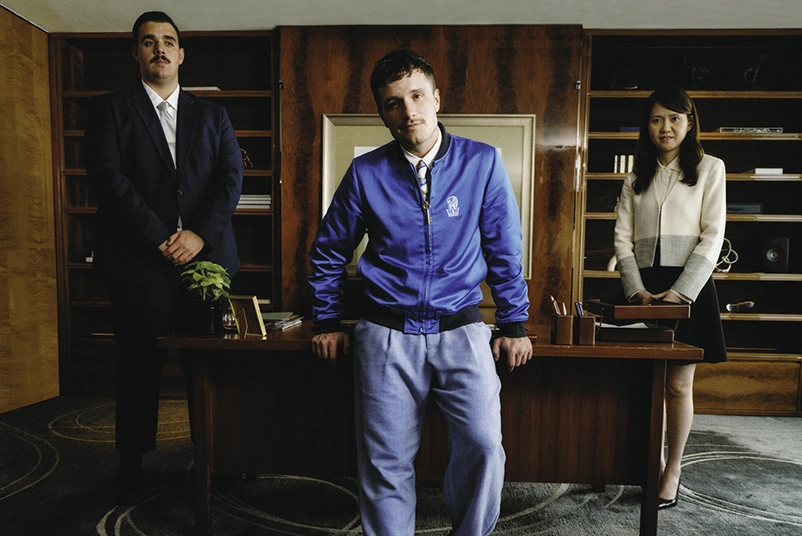
That was one of the reasons Late Checkout: A Ritz-Carlton Story Chapter II worked. The campaign was anchored by a short film starring Josh Hutcherson at The Ritz-Carlton, Nikko, but the film was not the whole idea. It became the center of a broader campaign ecosystem spanning Instagram, TikTok, YouTube, fashion, hospitality, media, influencer partnerships, retail, hotel pop-ups, paid media, organic social, and global property amplification.
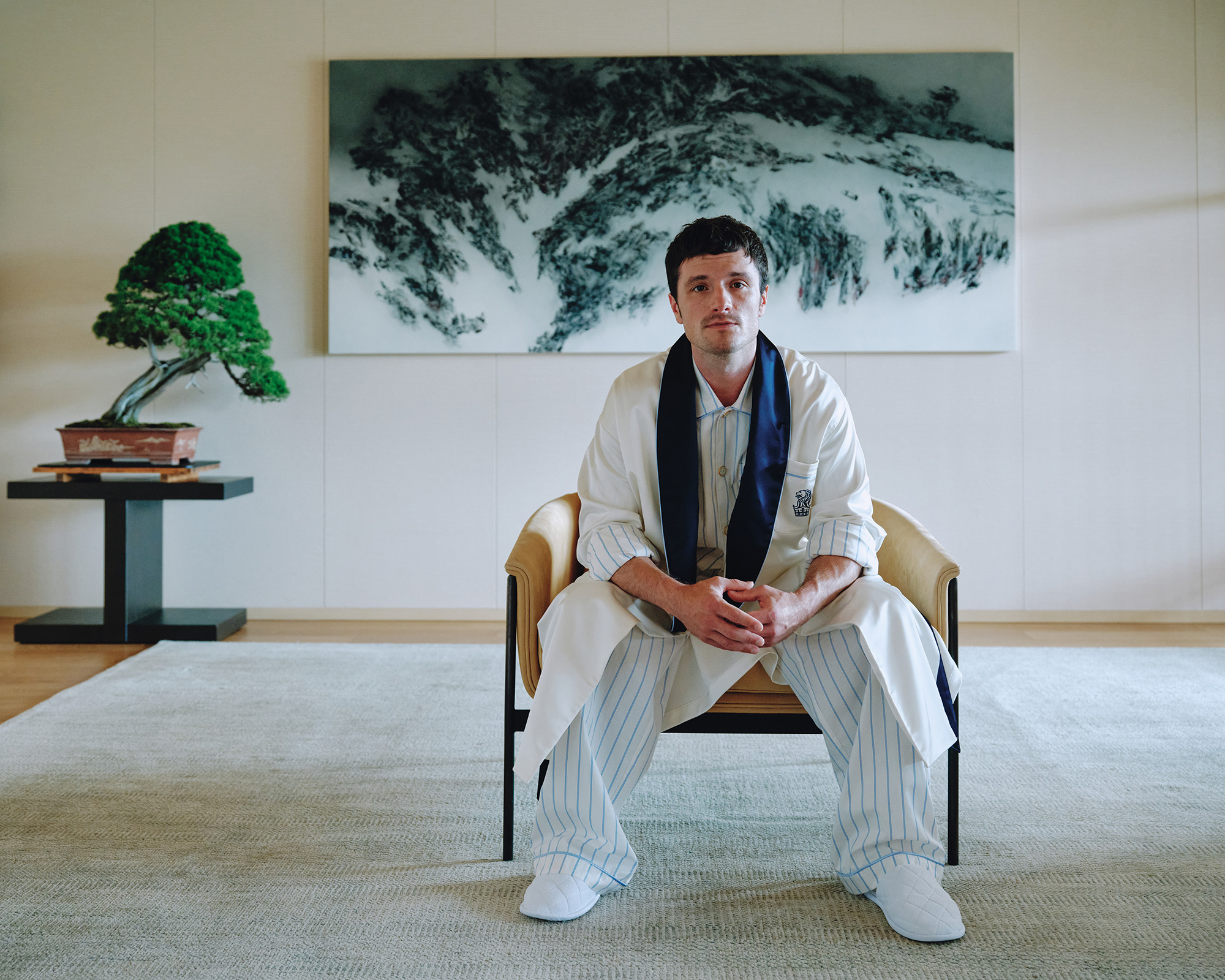
The campaign generated more than 19 million video views, 1.2 million engagements, a 7.6% average engagement rate, more than 50 million influencer impressions, and participation from 69 Ritz-Carlton hotel accounts globally.
That is the difference between a campaign that gets distributed and a campaign that gets lived in.
For luxury brands in particular, this is where the bar is moving. The opportunity is not to be louder in more places. It is to build ideas with enough internal depth that they can travel elegantly across channels without becoming repetitive, diluted, or overexplained.
2. Cultural relevance only works when the fit is real
There is always a temptation in social to treat culture like a calendar. A thing happens, a trend emerges, a show takes off, a phrase catches fire, and suddenly every brand wants to find its angle.
That is how you get a lot of work that feels technically current but somehow desperate.
The better work starts from a different question. Not “What is trending?” but “Where do we have a legitimate right to participate?”
A strong example from this year’s winners was Final Destination: 4DX Death Chair. The idea was simple and ridiculous in exactly the right way: a fictional chair that would let moviegoers physically experience every on-screen fatality from Final Destination: Bloodlines. It was not just a stunt attached to the film. It was a stunt that could only make sense for that film.

That is the difference.
The work took the franchise’s own language, anticipation, tension, dark humor, elaborate death mechanics, and turned it into a social-native object people wanted to talk about. According to the Shorty entry, the announcement generated more than 17.3 million organic views and 1.8 million engagements across social platforms.
The lesson is not that every brand needs to be more reactive, weirder, or louder. Many do not. The lesson is that relevance works best when it comes from the center of the brand, not from whatever happens to be moving through the feed that week.
For luxury brands, this matters even more. The wrong cultural reference can make a brand look needy very quickly.
3. The best social ideas give people something to do
Another pattern across the strongest work is that content is becoming less passive. The best ideas are not only asking people to watch, like, or share. They are giving people a role to play.
White Claw’s Holiday Roast is a clean example. Instead of making another sentimental holiday campaign about togetherness, the brand built a roast-generating microsite with Please Don’t Destroy. Users could enter a friend’s name, select their interests, and generate a personalized roast video to send them.
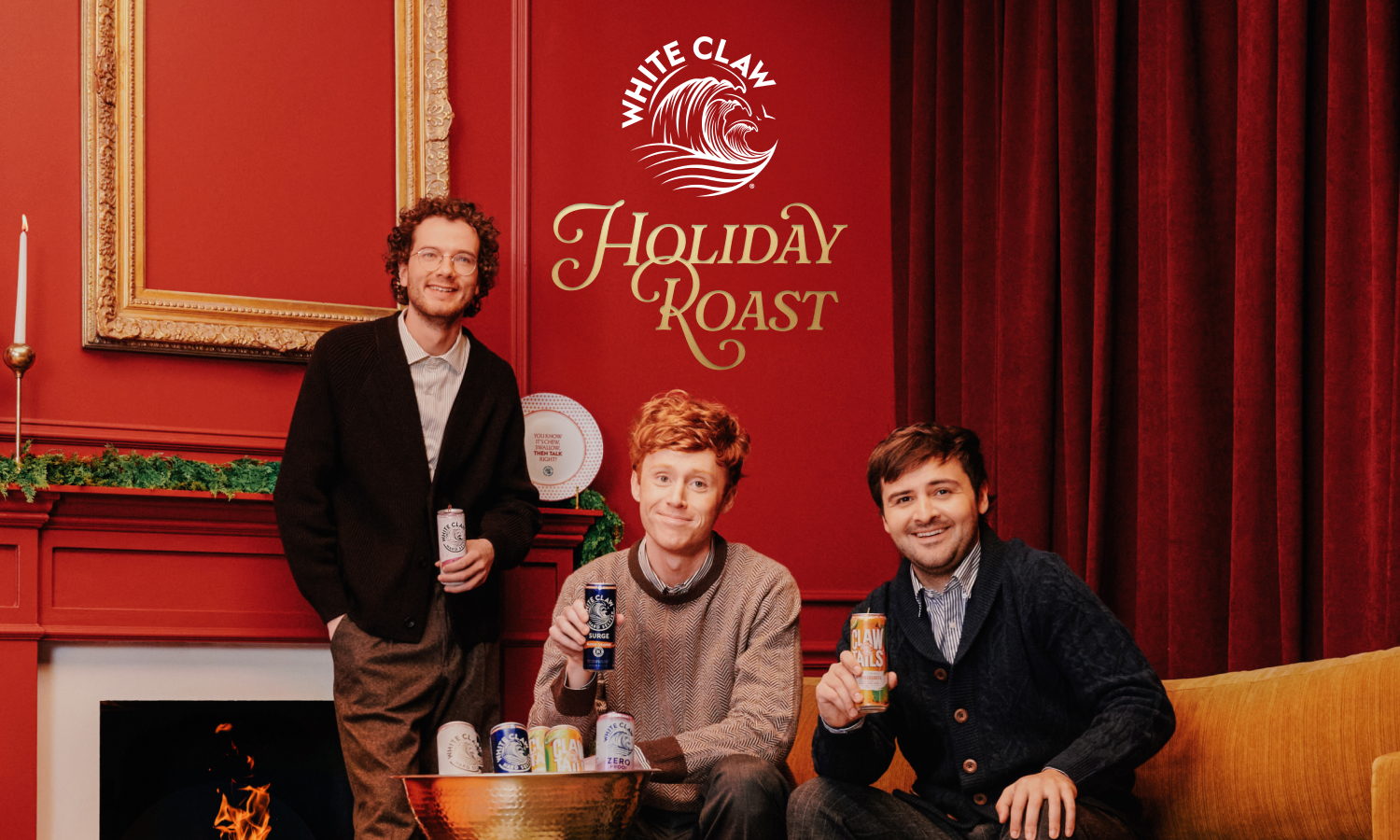
That is a much more interesting form of brand participation than “tag a friend in the comments.”
The Shorty entry notes that the microsite could generate 16.4 billion unique roasts and that fans created 33,960 personalized roast videos. That is the point. The campaign did not just talk about friendship. It created a mechanism for friends to interact with each other through the brand.
This is where more social ideas are heading. The strongest work is not just content as message. It is content as tool, game, ritual, prompt, challenge, or invitation.
That does not mean every campaign needs a microsite or a gimmick. It means the bar for participation is getting higher. Audiences are more likely to engage when the idea gives them something to do that feels natural, entertaining, and worth passing along.